
December, 2021
For decades, Western liberal democracies have embraced the mechanisms of free-market economics as the optimum organising principle following the fallout of metanarratives. Under such conditions, the verification of political and cultural legitimacy is left to the anonymous sorting device of the invisible hand. “It’s the economy, stupid”. Postmodern despair is often characterised as the experience of such a world that’s void of non-economic authenticity and meaning. This confuses the infinite proliferation and total equivalence of narratives for the absence of all narrative whatsoever. Together, liberal humanism and free-market economics efficiently ward off any direct confrontation with the schizoid frontier of the latter. Rebranded under the banner of progress, the indifference of the invisible hand is reinterpreted as ‘good’, and the production of cut-price transcendental narrative possibilities outpaces their immanent consumption. The culture machine has an inconsequential identity trap that’s waiting just for you.
Contemporaneous with the free-world’s embrace of free-market capitalism, post-Cultural Revolution China staged the “3rd Plenary Session of the 11th Central Committee of the Chinese Communist Party” in 1978. This landmark conference heralded the CPC’s new guiding policy of “Reform and Opening Up” under the new leadership of Deng Xiaoping. As in the West, the politics of class-struggle had proven obsolete under the conditions of so-called “late-capitalism”, and the creative destruction of the market was utilised for the purposes of economic and cultural rejuvenation. China’s ascendency has since been due to the Party’s historical materialist (based) understanding of markets in terms of harnessing the productive forces for material development and the redirection from a highly centralised planned economy into a socialist market economy. As markets polarise production across the brute spectrum of inefficiency and efficiency, socialist government upholds effectiveness by stamping out the possibility of private monopoly. Markets are non-democratic and purely decentralised; machinic. Taking the “Socialist Road” of modernisation rather than the “Capitalist road”, or markets combined with “bourgeois liberalisation”, Sino-Marxism grips the unbridled invisible hand as a revolutionary force suited to the New-Era.
The invisible hand with Chinese characteristics translates into a hypermodern embrace of the market as the central anti-plot device in the metanarratives of material development. Market realism. Where the capitalist road’s postmodern culture of cynicism breeds from the proliferation of individual narratives, the CPC refuses to separate its visions of the future from the guidance of productive forces. Modernity’s Will has long since transmigrated from the locus of human intentionality into the autonomy of technocapital, reducing governance to the anxious practice of population-as-data circulation control. On the Socialist road, non-democratic decentralisation of resource allocation meets democratic centralism with Chinese characteristics.
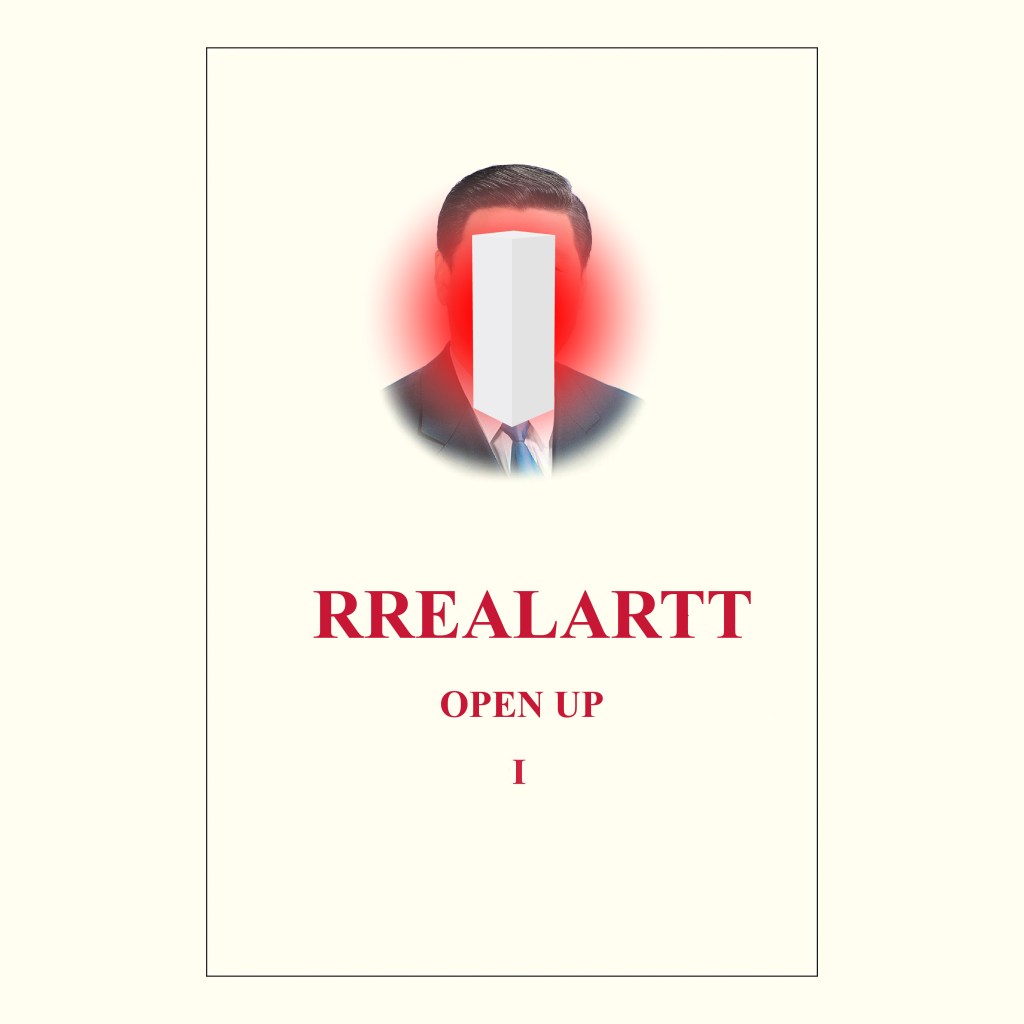
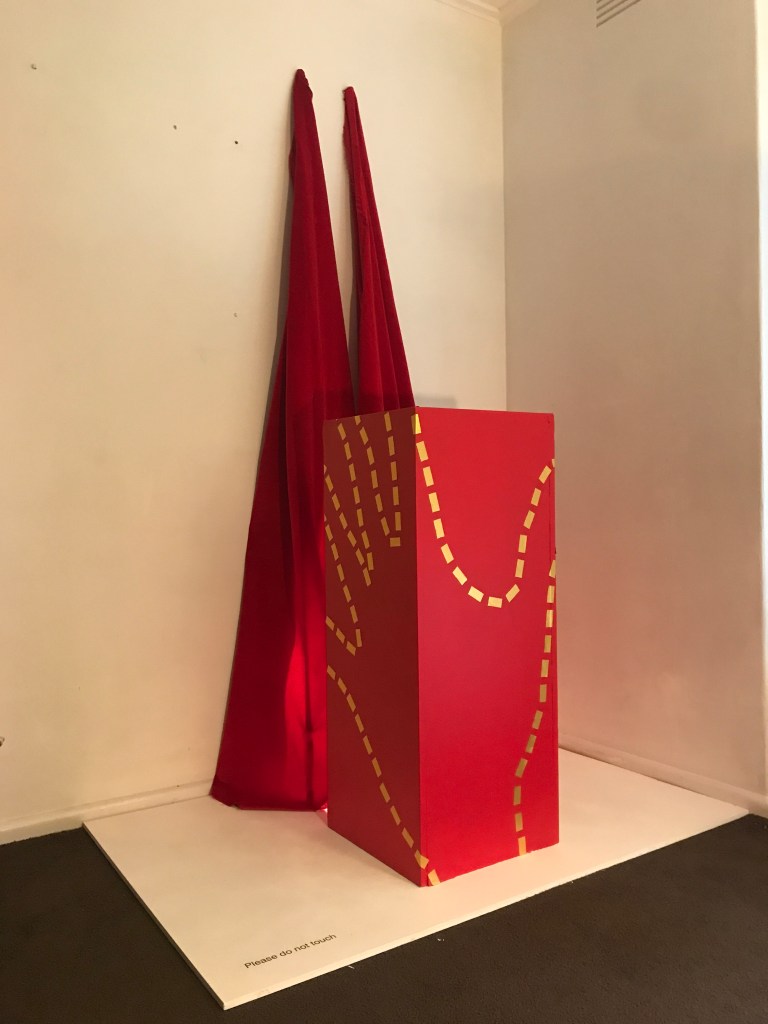


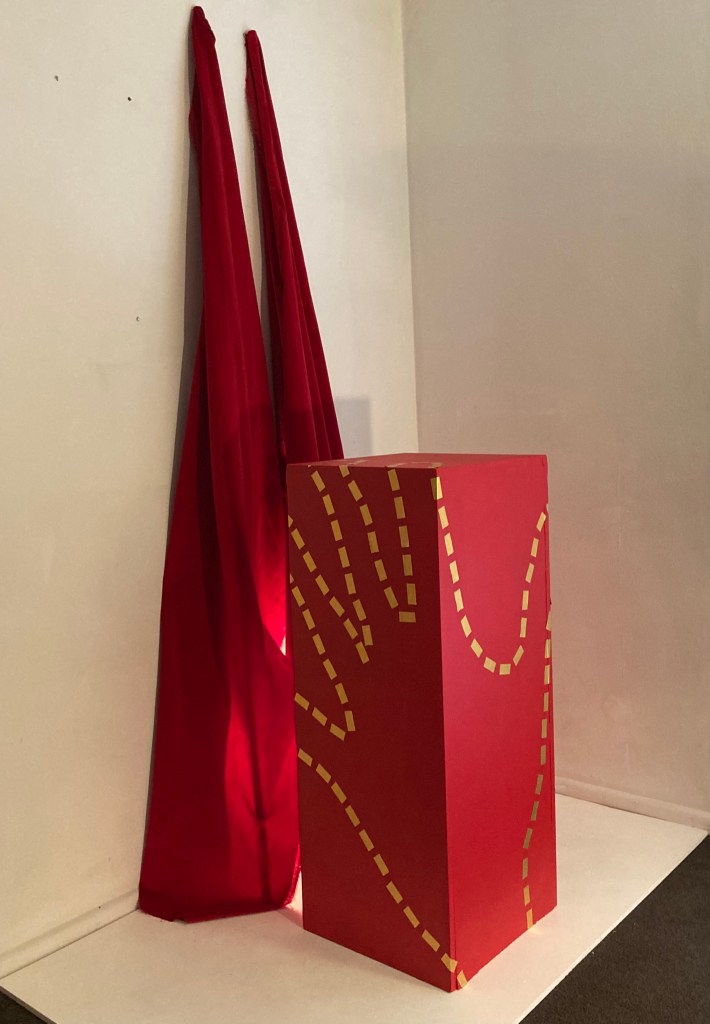




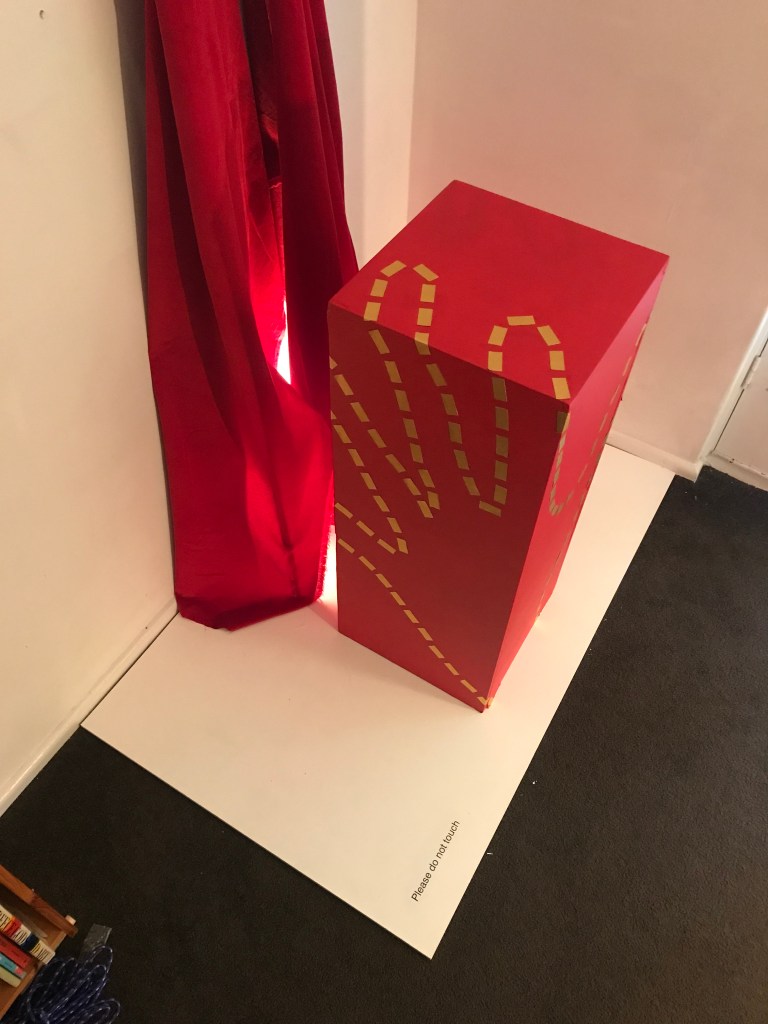
 rrealartt (2021-2022)